European Union’s 2035 Internal Combustion Engine Ban Faces Potential Delay
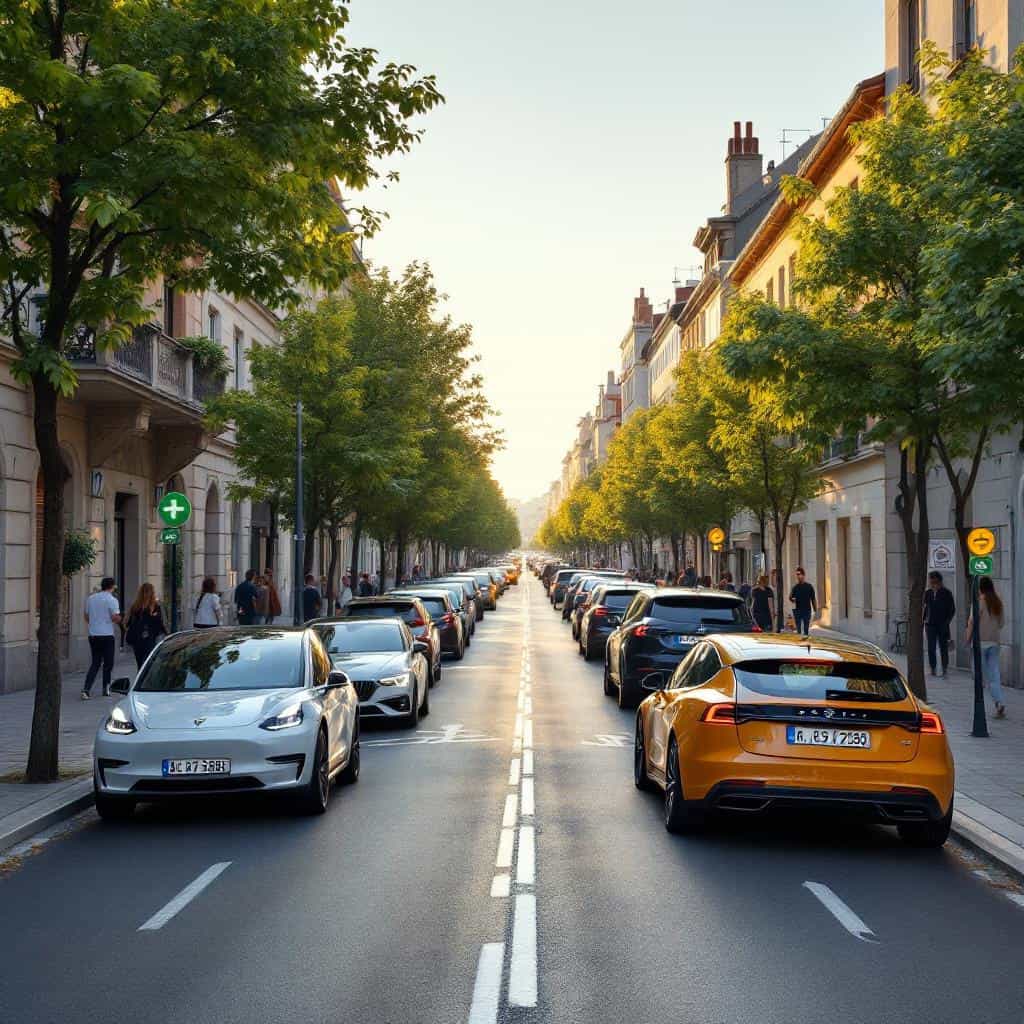
The European Union’s ambitious plan to ban internal combustion engines (ICE) by 2035 has been a cornerstone of its environmental policy, aimed at making the continent carbon-neutral by 2050. This policy calls for a total cessation of new petrol and diesel car sales, shifting the focus towards electric vehicles (EVs) and other sustainable alternatives. The decision has been hailed as a game-changer in the global fight against climate change. However, recent discussions suggest that the timeline might be reconsidered in light of various economic, technological, and political factors.
During a conference held in Brussels earlier this year, policymakers and leading experts from the automotive industry gathered to discuss the implications of the impending ICE ban. While many hailed the EU’s commitment to reducing greenhouse emissions, several voices expressed concerns about the timeline and its realistic implementation. A significant meeting point was the ongoing infrastructural challenges, especially in developing EV charging stations across member states, and the disparity in readiness among these states.
An anecdote often mentioned is the rapid transition of Norway over the past decade, which serves both as an inspiring success story and a cautionary tale. Norway, which aims to end sales of ICE vehicles by 2025, has faced several hurdles, such as increasing EV demand outpacing the development of charging infrastructure, leading to long waiting times at charging stations. This scenario mirrors potential challenges that the entire EU might face, albeit on a larger scale.
Notably, several automakers have voiced their apprehensions about meeting the 2035 deadline. Major manufacturers have been investing billions into EV technology and infrastructure, yet they argue that technological and supply chain hurdles persist. For instance, the high cost of battery production due to scarce materials like lithium and cobalt presents a profound challenge, further exacerbated by geopolitical tensions in regions where these materials are sourced.
Interestingly, Elon Musk, the CEO of Tesla — a pioneer in the electric vehicle revolution — has publicly commented that while the EU’s target is commendable, transitioning an entire continent’s automotive market within the stipulated timeline is fraught with unpredictable challenges. His remarks underline the complexity and massive scale of the intended transition.
Looking back at historical shifts in technology adoption, one can draw parallels with the industrial revolution or the rise of the internet in the late 20th century. These transitions were marked by periods of rapid progress interspersed with setbacks, suggesting that while the path to a carbon-neutral automotive sector is clear, the journey is anything but straightforward.
Environmental groups, however, emphasize the urgency of the ban. Scientists have warned that immediate action is needed to avert a climate catastrophe, and delaying the ICE phase-out could jeopardize the EU’s long-term climate goals. On the other hand, some economists argue that a phased approach might be more pragmatic. They note that a sudden shift could potentially lead to significant economic disruptions, affecting jobs in the traditional automotive sector and subsequently, national economies heavily reliant on car manufacturing.
The potential delay in the ban has also sparked political debates across EU member states. Countries with robust automotive industries, like Germany and France, have voiced concerns over potential job losses and the ripple effect on their economies. In contrast, countries more reliant on sustainable industries, like Sweden and Denmark, advocate for stricter enforcement of the 2035 deadline to ensure the EU’s leadership in global environmental policy.
Adding to the complexity, public opinion on this matter is divided. While younger generations, who are more environmentally conscious, support the ban and the transition to sustainable alternatives, older demographics express skepticism, driven by concerns about EV affordability and the current limitations of electric vehicles, such as range anxiety and long charging times.
Ultimately, the decision to uphold, delay, or modify the 2035 ban involves careful consideration of multiple factors. The EU’s future environmental legacy hinges upon striking a balance between ambitious climate goals and practical implementation. As discussions continue at the highest levels, one thing is clear – the coming years will be crucial in shaping the trajectory of Europe’s automotive and environmental landscape.
You may also like

Short-Term Rental Regulations in Italy: What’s New for 2026
As Italy gears up for new regulations on short-term rentals set to take effect in 2026, property owners and real estate enthusiasts alike are keen to understand the proposed changes. This article dives deep into the upcoming legal obligations and documentation requirements that will affect thousands of property listings across the picturesque landscapes of Italy.
Hybrid and Electric Vehicles: The Future of Mobility
This article delves into the intricate world of hybrid and electric vehicles, focusing on technical features, accessory warranties, and purchase considerations. It provides a comparative analysis of various models, discusses purchase trends by geographical region, and highlights resources for informed decision-making.
The Dynamic World of Thermal and Electric Motorcycles: Offers a comparative analysis of popular models
In a rapidly transforming transportation landscape, choosing between thermal and electric motorcycles presents potential buyers with an array of technical specifications and accessory guarantees. This article delves into the critical aspects to consider before purchasing thermal or electric bikes, and offers a comparative analysis of popular models to aid a safe and informed decision. It also explores geographical trends in motorcycle purchases and emerging mobility alternatives.
Thermal and Electric Scooters: Compares various offerings and explores regional buying trends
This article delves into the rise of both thermal and electric scooters, examining their technical features, warranty options, problems, and inspection tips before purchasing. It also compares various offerings, explores regional buying trends, and suggests the best resources for informed choices. Expanding further, it presents insights into the broader market of hybrid and electric vehicles, motorcycles, and bicycles.
Traditional and Electric Bicycles: Focusing on technical features
Discover the detailed comparison between traditional and electric bicycles, focusing on technical features, warranties, and essential checks before purchase. The article delves into various categories such as road, cross, and mountain bikes, and highlights tips for making an informed decision through reputable sources and market trends.